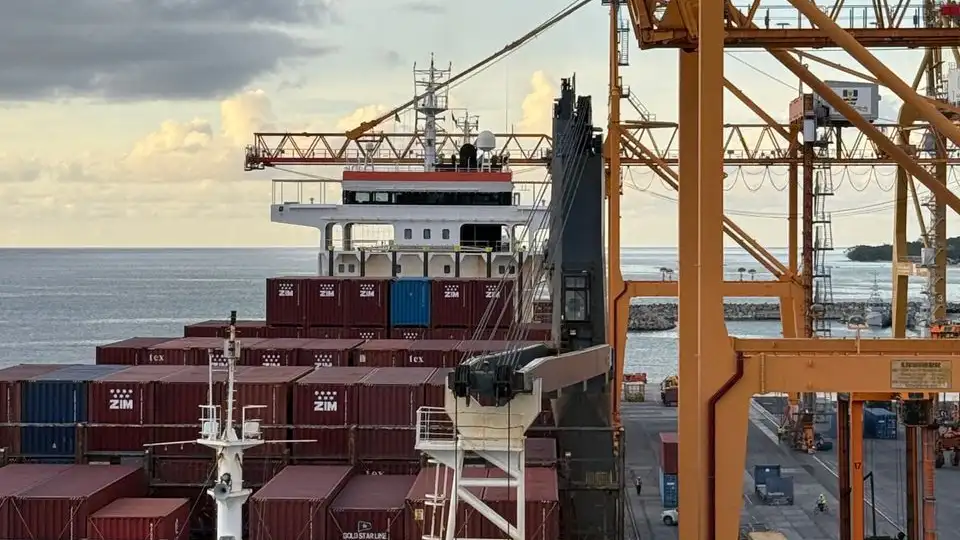
Cross-border trade within South Asia remains one of the most complex yet high-potential arenas for B2B businesses. Despite geographic proximity, SAARC member states operate under fragmented customs systems, overlapping bilateral agreements, and inconsistent documentation standards. This guide breaks down what exporters and importers need to know to operate efficiently across the region in 2026.
What Is SAARC and Why It Matters for Trade
The South Asian Association for Regional Cooperation (SAARC) includes eight member states: Afghanistan, Bangladesh, Bhutan, India, Maldives, Nepal, Pakistan, and Sri Lanka. Together, they represent over 1.9 billion people and a combined GDP exceeding USD 4.2 trillion as of 2026.
Despite this scale, intra-SAARC trade accounts for only around 5–7% of total trade by member countries — a figure far below comparable regional blocs like ASEAN (25%+) or the EU (60%+). The gap points to structural barriers, not lack of demand.
Key reasons for low intra-regional trade:
- High tariff and non-tariff barriers
- Insufficient cross-border infrastructure
- Limited banking and payment interoperability
- Political friction between key economies (India-Pakistan)
- Complex Rules of Origin requirements under SAFTA
SAFTA: The Core Trade Agreement
The South Asian Free Trade Area (SAFTA) agreement has been in force since 2006. It provides a framework for tariff reduction among SAARC members but is unevenly implemented.
| Country | Sensitive List Size (approx.) | Tariff Reduction Status |
|---|---|---|
| India | ~25 items | Largely implemented |
| Pakistan | ~1,000+ items | Restricted application |
| Bangladesh | ~1,000+ items | LDC provisions apply |
| Nepal | ~1,300 items | Partial implementation |
| Sri Lanka | ~1,000+ items | Implemented with gaps |
| Bhutan | Limited | Generally cooperative |
| Maldives | Small economy provisions | Applied selectively |
| Afghanistan | Transitional status | Minimal integration |
Under SAFTA, Least Developed Countries (LDCs) — Bangladesh, Bhutan, Nepal, Maldives, Afghanistan — receive preferential treatment from non-LDC members (India, Pakistan, Sri Lanka).
Non-LDC members are required to reduce tariffs on LDC goods to 0–5% in most categories. However, the Sensitive Lists allow countries to protect strategic sectors, which in practice exempts a significant share of trade volume.
Export Documentation: What You Actually Need
Documentation requirements vary by country, but there is a common baseline across SAARC customs authorities.
Standard export documents:
- Commercial Invoice (with HS Code)
- Packing List
- Certificate of Origin (Form SAFTA or bilateral equivalent)
- Bill of Lading or Airway Bill
- Export Declaration Form
- Bank Realisation Certificate (required in India and Bangladesh)
- Phytosanitary or Sanitary Certificate (for agri/food products)
Certificate of Origin under SAFTA is mandatory to claim preferential tariff rates. It must be issued by a designated authority — in India, this is typically the Export Inspection Council or Chamber of Commerce. In Bangladesh, DCCI or BCCI. In Sri Lanka, the National Chamber of Commerce.
A common processing error: exporters submit Certificates of Origin from non-authorised chambers, which leads to rejection at destination customs. Verify authorised issuing bodies for each country before shipment.
Import Procedures by Country: Key Differences
India
India's customs function through ICEGATE, an electronic filing portal. Import clearance uses the Risk Management System (RMS), which flags a percentage of shipments for physical examination. As of 2026, roughly 10–15% of non-facilitated consignments undergo inspection.
Key India-specific requirements:
- IEC (Import Export Code) is mandatory
- BIS certification required for electronics, toys, and certain chemicals
- FSSAI registration for food imports
- Anti-dumping duties apply on several Chinese-origin goods and affect re-export dynamics within SAARC
Bangladesh
Bangladesh's National Board of Revenue oversees customs. Import clearance is managed through ASYCUDA World. The country applies supplementary duties and regulatory duties on top of basic customs duty, which can significantly increase the landed cost.
For garment-related machinery and raw materials (RMG sector), Bangladesh offers duty-free import under bonded warehouse schemes — a major structural advantage that attracts regional sourcing.
Sri Lanka
Sri Lanka uses a Customs Automated System (ASYCUDA++). Importers must register with Sri Lanka Customs. Port congestion at Colombo has historically been a challenge, though infrastructure upgrades in 2024–2025 have improved average dwell time from 5.2 days to around 3.4 days.
Sri Lanka imposes a Port and Airport Development Levy (PAL) and a Social Security Contribution Levy (SSCL) on most imports, adding 5–10% to the effective duty rate beyond stated tariffs.
Nepal and Bhutan
Both are landlocked and rely heavily on India as a transit country. Nepal's trade with third countries primarily flows through Kolkata Port under transit treaty provisions. Bhutan's trade is almost entirely routed through India.
Transit documentation for Nepal:
- Transit Pass issued by Indian customs
- Route compliance is mandatory — goods must follow approved transit corridors
- Time-bound transit: goods must clear in 30 days from Indian customs point
Pakistan
India-Pakistan direct trade via land (Wagah border) and sea has been intermittently suspended due to political tensions. As of 2026, formal trade channels remain restricted. Most India-Pakistan trade is routed through third countries (UAE, Singapore), which increases costs substantially.
Pakistan's import regime requires importers to hold a Web-Based One Customs (WeBOC) account. Import Policy Order (IPO) governs restricted and banned goods.
Tariff Structures: What Traders Are Actually Paying
Beyond headline SAFTA rates, effective tariff burdens are higher due to layered duties.
| Duty Component | Applies In |
|---|---|
| Basic Customs Duty (BCD) | All SAARC countries |
| Countervailing / Excise Duty | India, Pakistan, Bangladesh |
| Social/Port Levies | Sri Lanka, Bangladesh |
| Regulatory Duty | Bangladesh, Pakistan |
| IGST (VAT equivalent) | India |
| Anti-dumping Duty | India, Bangladesh (select goods) |
A textile exporter from India shipping to Bangladesh may face: 0% BCD under SAFTA, but 15% VAT + 3% AIT (Advance Income Tax) at Bangladeshi customs, bringing the effective landed cost addition to 18–20% above invoice value.
Logistics Routes and Infrastructure
Sea routes dominate bulk and container trade:
- Colombo (Sri Lanka) acts as a major transshipment hub for SAARC
- Chittagong (Bangladesh) handles most of Bangladesh's trade volume
- Jawaharlal Nehru Port (India) is the largest container port by volume
- Mundra and Vizag are growing alternatives
Land trade corridors:
- Petrapole–Benapole (India–Bangladesh): highest-volume land port in South Asia, handling ~USD 2 billion+ in annual trade
- Birgunj–Raxaul (Nepal–India): key corridor for Nepal's industrial imports
- Attari–Wagah (India–Pakistan): politically variable, limited throughput
Air freight is used primarily for perishables, pharma, and high-value electronics. Key hubs: Delhi IGI, Mumbai CSIA, Dhaka Hazrat Shahjalal, Colombo Bandaranaike.
Road infrastructure quality varies sharply. The Asian Highway Network covers SAARC corridors, but cross-border regulatory harmonisation remains incomplete. Average truck waiting time at Petrapole can reach 3–7 days during peak periods due to document verification queues.
Non-Tariff Barriers: The Real Trade Friction
NTBs are widely cited as a greater obstacle than tariffs in intra-SAARC trade.
Common NTBs reported by SAARC exporters:
- Duplicated testing and certification requirements (no mutual recognition agreements)
- Inconsistent application of SPS (Sanitary and Phytosanitary) measures
- Port-of-entry restrictions (some goods can only be imported through specific ports)
- Foreign exchange restrictions on remittances
- Delayed customs valuations (customs authorities revalue shipments above invoice price)
India restricts import of certain goods from Pakistan to specific entry points, even outside periods of formal trade suspension. Bangladesh restricts land-port import of Indian goods in certain categories to protect local industries.
Practical Checklist Before Your First SAARC Shipment
Before initiating a cross-border transaction within SAARC:
- Confirm HS Code classification for your product — misclassification is the most common cause of customs delay
- Check the Sensitive List of the destination country under SAFTA
- Verify whether your Certificate of Origin issuing body is recognised by the importing country's customs
- Confirm port-of-entry restrictions on your product category
- Calculate effective duty rate: BCD + all applicable levies + VAT/GST
- Check for anti-dumping or safeguard measures on your product
- Confirm payment terms are compliant with RBI (for India) or Bangladesh Bank regulations if using LC
- Verify transit document requirements if routing through India for Nepal/Bhutan