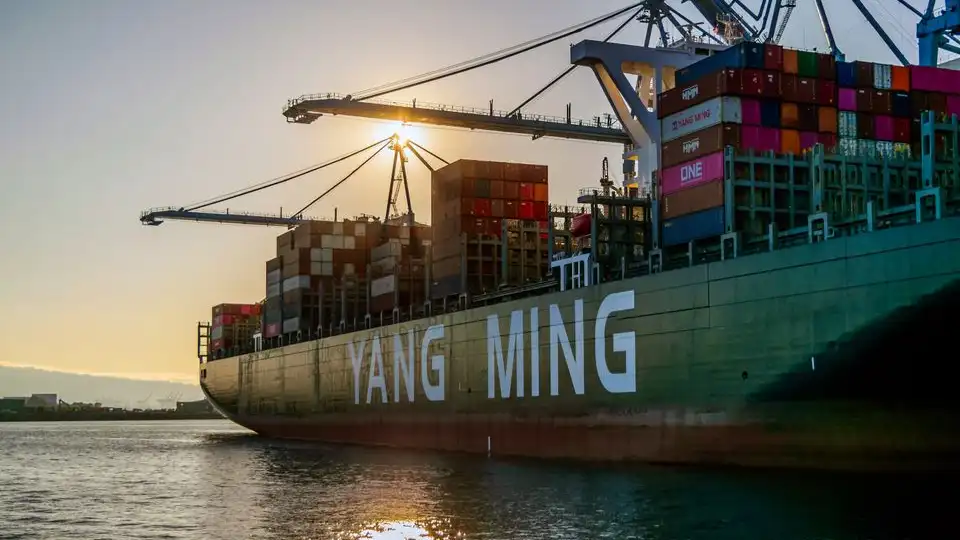
Sri Lanka occupies a strategically significant position in the Indian Ocean, functioning as both a regional trading hub and a key SAARC member economy. The country's trade profile is shaped by a mix of agricultural exports, light manufacturing, and growing services — alongside persistent structural challenges in customs clearance and trade logistics. This guide covers the practical framework for exporters, importers, and trade professionals engaging with Sri Lanka within the SAARC corridor.
Sri Lanka's Trade Position Within SAARC
Sri Lanka is one of the smaller economies in SAARC by GDP, yet it punches above its weight in specific sectors. Total merchandise trade in 2025 stood at approximately USD 22 billion, with exports accounting for roughly USD 13 billion and imports USD 9 billion on a net basis after accounting for the trade deficit in goods.
Key trade relationships within SAARC:
| Partner Country | Trade Volume (2025 est.) | Primary Trade Flow |
|---|---|---|
| India | USD 5.8 billion | Imports dominate (petroleum, vehicles, textiles) |
| Pakistan | USD 420 million | Sri Lanka exports rubber, coconut products |
| Bangladesh | USD 180 million | Garments, pharmaceuticals |
| Maldives | USD 310 million | Food, construction materials |
| Nepal | USD 45 million | Tea, spices |
India remains the single largest trading partner within SAARC by a significant margin, accounting for nearly 26% of total merchandise trade.
Key Export Commodities from Sri Lanka
Sri Lanka's export basket is concentrated but diversifying. The following sectors account for over 80% of total merchandise exports:
- Garments and apparel — approximately USD 5.3 billion annually; primary destination markets include the US and EU, though intra-SAARC apparel trade is growing
- Tea — Sri Lanka is the world's third-largest tea producer; exports to India and Pakistan combined exceed USD 180 million per year
- Rubber and rubber products — natural rubber, tyres, and gloves remain competitive regionally
- Coconut-based products — coconut oil, desiccated coconut, coconut milk; Pakistan and Bangladesh are active buyers
- Seafood — frozen and dried fish products to Maldives, India, and South Asian diaspora markets
- Spices — cinnamon (Sri Lanka holds approximately 80-90% of global true cinnamon supply), pepper, cardamom
- Precious and semi-precious stones — sapphires and gemstones, largely exported to India for cutting and re-export
Import Profile and SAARC Sourcing
Sri Lanka's import dependency is high in energy, industrial inputs, and food commodities. Within the SAARC framework, India is the dominant source market.
Top import categories from SAARC countries:
- Petroleum products and LPG (India)
- Motor vehicles and auto parts (India)
- Pharmaceutical products (India — Sri Lanka sources over 40% of its generic medicines from Indian manufacturers)
- Cotton yarn and synthetic fabrics (India, Pakistan)
- Onions, lentils, and rice (India — subject to periodic export restrictions from the Indian side)
- Engineering goods and machinery (India)
A consistent challenge: Sri Lanka runs a structural trade deficit with India of approximately USD 3.5–4 billion annually. The Indo-Sri Lanka Free Trade Agreement (ISFTA), in force since 2000, has not fully resolved this imbalance due to sensitive list exclusions on both sides.
Sri Lanka Customs Procedures: What Exporters Need to Know
Sri Lanka Customs (Department of Sri Lanka Customs) operates under the Customs Ordinance, with electronic filing handled through the ASYCUDA World platform. The system is functional but not without delays.
Standard Import Documentation Requirements
| Document | Notes |
|---|---|
| Bill of Lading or Airway Bill | Original or electronic copy |
| Commercial Invoice | Must state HS code, unit value, country of origin |
| Packing List | Required for all commercial shipments |
| Certificate of Origin | Mandatory for preferential duty claims under SAFTA |
| Import Declaration (Entry) | Filed via ASYCUDA World |
| PAL (Port and Airport Levy) Declaration | Applicable to most imports |
Processing time at Colombo Port varies from 2 to 7 working days for standard shipments. Delays are common for shipments flagged for physical inspection, which currently affects approximately 15-20% of consignments.
Tariff Structure
Sri Lanka applies a multi-tier tariff regime:
- Customs duty: 0% to 30% depending on HS code
- PAL (Port and Airport Development Levy): 7.5% on CIF value for most goods
- CESS: variable levy applied to specific categories, often used as a non-tariff measure
- VAT on imports: 18% applied to CIF + customs duty + PAL
Under SAFTA (South Asian Free Trade Area), eligible SAARC-origin goods qualify for reduced or zero customs duty, provided valid Certificate of Origin Form A or SAFTA CO is submitted. However, para-tariff measures such as PAL and CESS are not always covered under SAFTA concessions — this is a frequent source of confusion for first-time exporters.
Trade Barriers Specific to Sri Lanka
Understanding practical trade barriers is more useful than reviewing formal tariff schedules alone.
Tariff and Para-Tariff Barriers
- PAL and CESS are applied even when customs duty is zero under SAFTA, effectively negating some FTA benefits
- Sensitive lists under SAFTA exclude agricultural products where Sri Lanka is domestically sensitive — notably rice, sugar, wheat flour
- Import licensing requirements apply to specific products: pharmaceuticals, chemicals, agricultural inputs
Non-Tariff Barriers
- Standards compliance: Sri Lanka Bureau of Standards (SLBS) certification is required for over 200 product categories. Testing can take 3–6 weeks and adds cost for smaller exporters
- Sanitary and phytosanitary (SPS) requirements for food imports are enforced by the Department of Animal Production and Health and the Food Control Administration Unit
- Exchange control regulations: Sri Lanka's Central Bank historically applied restrictions on outward remittances; since the 2022 economic crisis and subsequent IMF program, forex controls have eased considerably but monitoring requirements remain for transactions above USD 10,000
Logistics Constraints
- Colombo Port is the main maritime gateway and functions as a transhipment hub for the region; however, yard congestion during peak periods causes vessel delays
- Air freight capacity is constrained at Bandaranaike International Airport for cargo; the government has initiated an expansion program with projected completion in 2027
- Last-mile logistics to inland areas outside Colombo, Kandy, or Galle corridors remains underdeveloped
SAFTA Utilization: Practical Notes
SAFTA has been operational since 2006, yet utilization rates among eligible SAARC traders remain below 30% in most studies. For Sri Lanka specifically:
- Exporters from India, Pakistan, and Bangladesh can apply 0% duty on most eligible goods, but must obtain a SAFTA Certificate of Origin from the designated issuing authority in their country
- Sri Lanka's sensitive list under SAFTA contains approximately 1,062 tariff lines — one of the longer lists in the agreement
- Electronic Certificate of Origin (e-CO) systems are being piloted bilaterally with India as of 2025; full implementation is expected by late 2026
If you are exporting from India to Sri Lanka, the relevant issuing authority for SAFTA CO is the Export Inspection Council (EIC) or an authorized body under DGFT.
Logistics Routes: India to Sri Lanka
The most active SAARC trade corridor is India-Sri Lanka, and there are multiple routing options:
| Route | Transit Time | Notes |
|---|---|---|
| Colombo Port (sea, Chennai) | 2–4 days | Most cost-effective for bulk cargo |
| Colombo Port (sea, Tuticorin/V.O.C.) | 1–2 days | Shorter sea distance, good for South Indian exporters |
| Air freight (BIA, Colombo) | Same day to next day | For high-value, time-sensitive cargo |
| Talaimannar-Rameswaram ferry (proposed) | TBD | Ferry route revival under discussion; not operational as of mid-2026 |
The Colombo-Chennai corridor handles the highest volume. For time-sensitive pharmaceutical or perishable shipments, Tuticorin is increasingly preferred due to shorter sea transit and lower congestion.
Sri Lanka's Economic Context Post-2022
Sri Lanka's sovereign debt crisis in 2022 significantly disrupted trade flows — import restrictions were imposed on over 300 product categories to preserve foreign exchange. By 2024-2025, most restrictions had been lifted following the IMF Extended Fund Facility program. As of 2026:
- Foreign exchange reserves have recovered to approximately 3.5 months of import cover
- The rupee has stabilized in the range of LKR 295–310 per USD
- Import licensing restrictions on non-essential goods have been largely removed
- Sri Lanka is actively pursuing trade agreement upgrades: the Economic and Technology Cooperation Agreement (ETCA) with India remains under negotiation, with services and investment chapters still unresolved
For SAARC exporters, this means improved market access compared to 2022-2023, but due diligence on buyer creditworthiness and letter of credit confirmation from Sri Lankan banks remains advisable for high-value transactions.