
South Asia accounts for roughly 2 billion people and a combined GDP exceeding $4.5 trillion in 2026, yet intra-regional trade among SAARC member states remains stuck at approximately 5–7% of total trade volumes. For comparison, ASEAN's intra-regional trade share sits above 23%. That gap is not a market failure — it is an operational problem with identifiable causes: non-tariff barriers, underdeveloped cross-border logistics, inconsistent customs procedures, and incomplete implementation of SAFTA (South Asian Free Trade Area) commitments.
This guide covers the practical side of doing business within the SAARC region: tariff schedules, customs entry requirements, product-specific trade flows, logistics corridors, and how to structure B2B trade relationships between India, Pakistan, Bangladesh, Sri Lanka, Nepal, Bhutan, Maldives, and Afghanistan.
What SAARC Is and Why It Matters for B2B Trade in the Region
SAARC — South Asian Association for Regional Cooperation — was established in 1985 through the Dhaka Declaration. Its eight member states span a vast geography from Afghanistan in the northwest to Maldives in the Indian Ocean.
The association's primary trade instrument is SAFTA, which entered into force in January 2006. Under SAFTA, member states agreed to reduce tariffs to 0–5% for non-sensitive goods. The problem: sensitive lists remain long, and bilateral political tensions — particularly between India and Pakistan — have repeatedly frozen practical implementation.
Member states at a glance:
| Country | GDP (2025 est., USD bn) | Main export categories | Main import categories |
|---|---|---|---|
| India | 3,900 | IT services, pharmaceuticals, engineering goods, textiles | Crude oil, electronics, machinery |
| Bangladesh | 470 | Ready-made garments, leather, jute | Cotton, machinery, petroleum |
| Pakistan | 380 | Textiles, surgical goods, rice | Petroleum, machinery, palm oil |
| Sri Lanka | 90 | Tea, rubber, apparel, IT | Petroleum, textiles, vehicles |
| Nepal | 42 | Cardamom, hydropower, handicrafts | Petroleum products, machinery |
| Afghanistan | 15 | Dried fruits, carpets, minerals | Manufactured goods, fuel |
| Bhutan | 3.2 | Hydroelectricity, ferro-alloys, fruits | Fuel, consumer goods |
| Maldives | 7.5 | Fish products, tourism services | Almost everything consumer-facing |
How SAFTA Works in Practice: Tariffs, Sensitive Lists, and What Actually Gets Through
SAFTA creates a two-tier system. Goods outside the sensitive list benefit from reduced MFN tariffs. Goods on the sensitive list are excluded from concessions entirely.
India's sensitive list under SAFTA includes over 480 tariff lines. Bangladesh and Sri Lanka, as Least Developed Countries (LDCs) within SAARC, receive asymmetric concessions — meaning India, Pakistan, and Sri Lanka must reduce tariffs faster and further for LDC exports.
Key SAFTA tariff milestones that are currently in effect:
- Non-LDC to non-LDC: tariff range of 0–5% for goods outside sensitive lists
- Non-LDC to LDC (Bangladesh, Nepal, Bhutan, Afghanistan, Maldives): some duty-free access on specific categories
- Rules of origin: goods must have minimum 40% value addition in the exporting SAARC country (30% for LDCs)
Rules of origin documentation is one of the most common reasons shipments are held at customs. A certificate of origin issued by the relevant government authority (e.g., Export Inspection Council in India, EPCH, or equivalent national bodies) is mandatory for SAFTA preferential treatment.
Common reasons SAFTA preferences are denied at customs:
- Certificate of origin does not specify the applicable rule (wholly obtained vs. value-addition)
- HS code mismatch between commercial invoice and certificate
- Goods transiting through a third country without adequate traceability documentation
- Incorrect declaration of value addition percentage
Customs Procedures Across SAARC Countries: What Exporters Need to Prepare
Customs clearance times vary dramatically across the region. According to World Bank Doing Business indicators and UNCTAD data from 2025:
| Country | Average border compliance time (export) | Average documentary compliance time (export) |
|---|---|---|
| India | 38 hours | 17 hours |
| Bangladesh | 74 hours | 144 hours |
| Pakistan | 90 hours | 72 hours |
| Sri Lanka | 48 hours | 72 hours |
| Nepal | 96 hours | 72 hours |
These figures shift significantly depending on the port of entry, commodity type, and whether AEO (Authorised Economic Operator) status applies.
India's ICEGATE platform has reduced documentation processing substantially since its 2023 upgrade. Bangladesh's Asycuda++ system handles most Chittagong port processing. Pakistan's WEBOC (Web-Based One Customs) system is the primary clearance portal.
Standard export documentation package for SAARC trade:
- Commercial invoice (with Incoterms clearly stated)
- Packing list
- Bill of lading or airway bill
- Certificate of origin (SAFTA Form or GSP Form A where applicable)
- Phytosanitary or health certificate (for food, agriculture, pharma)
- Letter of credit or advance payment confirmation
- Insurance certificate (if CIF terms apply)
- Import permit from destination country (if applicable for regulated goods)
Major Trade Corridors and Land Border Crossings in South Asia
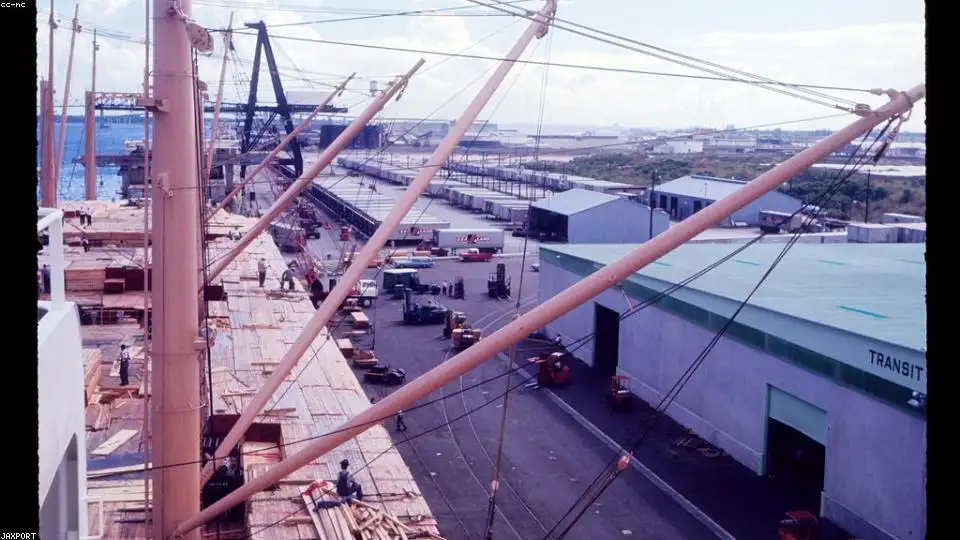
Land trade within SAARC is dominated by a handful of active corridors. Sea routes handle the largest volumes by value, but land connectivity is critical for Nepal, Bhutan, and landlocked parts of Afghanistan.
Active land trade corridors:
India–Bangladesh
- Petrapole–Benapole: highest volume land border crossing in South Asia; handles roughly 70% of India–Bangladesh land trade
- Akhaura–Agartala: growing corridor for Northeast India trade
- Gede–Darsana: rail-linked crossing for bulk goods
India–Nepal
- Raxaul–Birgunj: main corridor; Integrated Check Post (ICP) operational since 2018
- Sunauli–Bhairahawa: second major crossing; handles heavy vehicles and bulk commodities
- Jogbani–Biratnagar: eastern Nepal corridor
India–Bhutan
- Jaigaon–Phuentsholing: only major commercial land crossing; accounts for over 90% of Bhutan–India bilateral trade
India–Pakistan
- Wagah–Attari: politically volatile; trade suspended multiple times; currently non-operational for most commercial goods as of early 2026
- Munabao–Khokrapar: rail connection (Thar Express route); also affected by bilateral tensions
Afghanistan–Pakistan
- Torkham and Spin Boldak: primary crossings; subject to frequent closures and security incidents
Afghanistan–India
- No direct land route; goods move via air freight (Delhi–Kabul) or through the Chabahar port corridor in Iran
Chabahar deserves specific attention. India has invested in developing Chabahar port in Iran as a transit route to Afghanistan, bypassing Pakistan. Goods exported from Indian ports (JNPT, Mundra) move to Chabahar, then overland to Afghanistan. The India–Iran–Afghanistan transit corridor became more structured after the India–Iran–Afghanistan trilateral agreement, though US sanctions on Iran have created intermittent financing complications for Indian businesses using this route.
Non-Tariff Barriers: The Real Obstacle to SAARC Trade
Tariff reduction through SAFTA has progressed on paper. Non-tariff barriers (NTBs) remain the dominant constraint. UNCTAD and SAARC Secretariat studies consistently identify NTBs as responsible for more trade suppression than tariffs in the region.
Key NTB categories in South Asia:
Sanitary and Phytosanitary (SPS) Measures India's FSSAI standards for food imports are frequently cited by Bangladesh and Sri Lanka as disproportionate. Pakistani agricultural exports face complex SPS procedures on the Indian side even when SAFTA concessions theoretically apply.
Technical Barriers to Trade (TBT) Sri Lanka's regulatory framework for pharmaceutical imports requires re-registration of drugs already approved by India's CDSCO. Nepal requires BIS certification for certain manufactured goods entering from India, mirroring Indian standards — but the certification process itself adds 2–4 months.
Para-tariff measures Bangladesh applies significant para-tariffs — regulatory duties, supplementary duties, and advance income tax at import stage — that add effectively 15–30% to the landed cost of goods, independent of the customs tariff rate.
Port infrastructure and logistics Chittagong handles 90%+ of Bangladesh's seaborne trade. Port congestion adds 5–10 days to clearance times during peak periods (pre-Eid, pre-winter garment season).
Foreign exchange controls Pakistan's State Bank import restrictions, introduced in 2022–2023 as a crisis measure, created severe delays in LC issuance. While partially eased by 2025, importers still report issues with bank approvals for certain categories.
Quantitative restrictions India's negative list for imports from Pakistan (outside formal trade suspension periods) includes certain categories. Sri Lanka has periodically applied quantitative restrictions on Indian goods to protect domestic industries.
Product-Specific Trade Flows Worth Knowing
Rather than generalizing, it is more useful to look at which specific products move in volume and what the friction points are.
Pharmaceuticals: India to Bangladesh, Nepal, Sri Lanka, Maldives
India supplies approximately 80–90% of Bangladesh's pharmaceutical raw material (API) imports. The finished medicines market is smaller due to Bangladesh's local production capacity. Nepal and Maldives are almost entirely dependent on Indian pharma for generics. Sri Lanka has dual-source policies but India dominates.
Key requirement: CDSCO-issued export NOC for certain Schedule H and H1 drugs. Each destination country has its own import registration requirements.
Textiles and Apparel: Bangladesh to India, Sri Lanka to India
Bangladesh holds duty-free access to India under SAFTA LDC provisions for most garment categories. However, Indian customs has challenged rules of origin on Bangladesh garments, requiring proof that fabric was sourced within SAARC (not China-origin fabric cut-and-sewn in Bangladesh).
Sri Lanka's apparel exports to India face a 12% MFN tariff, partially offset by SAFTA concessions for items outside India's sensitive list.
Hydropower: Bhutan to India
This is a unique trade relationship. Bhutan exports nearly 100% of its electricity to India under a framework agreement. Bhutan's hydropower capacity in 2025 stands at approximately 2,300 MW, with multiple projects under various development stages targeting 5,000 MW total capacity. Payment is in Indian Rupees; pricing is set under bilateral government agreements.
Agricultural Commodities: Various corridors
Nepal cardamom: India is the largest buyer. Also re-exported to third markets via Indian ports. Sri Lanka tea: India is not a major buyer (it produces its own), but Sri Lanka exports to Pakistan, Afghanistan, and third countries. Pakistan rice (Basmati and non-Basmati): historically exported to South Asia and Gulf; trade with India has been negligible since bilateral tensions escalated. Bangladesh hilsa fish: subject to periodic export bans by Bangladesh government, but high-value trade to India continues through Petrapole.
Logistics and Freight: Sea, Air, and Multimodal Options for SAARC Exporters
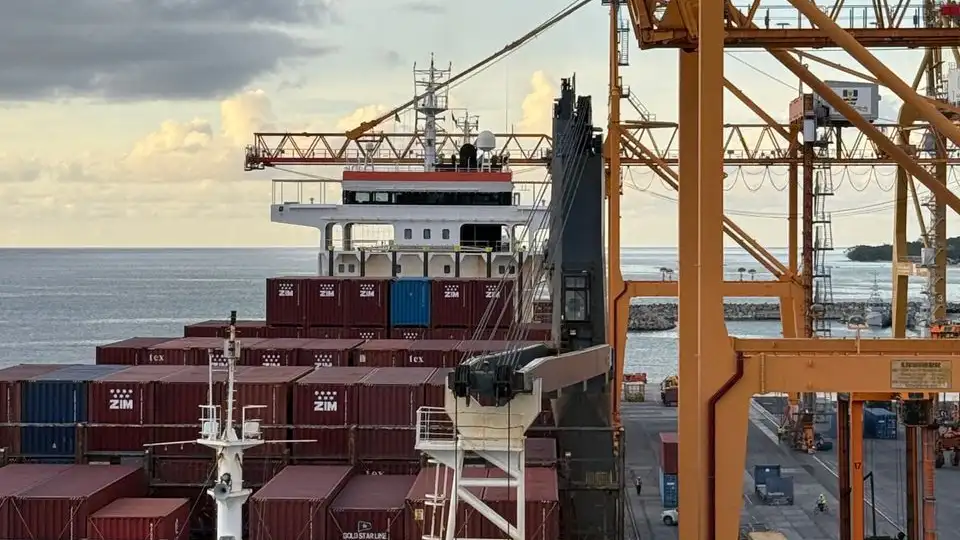
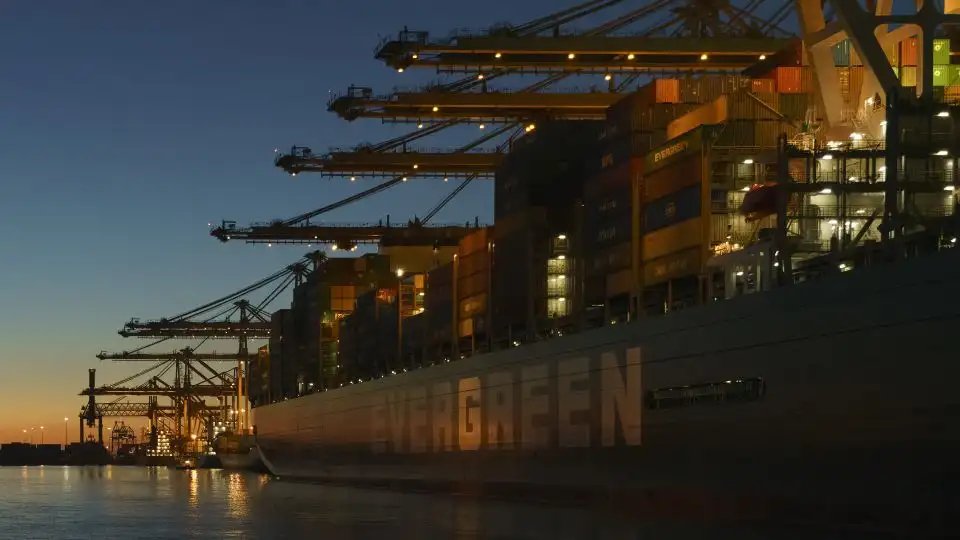
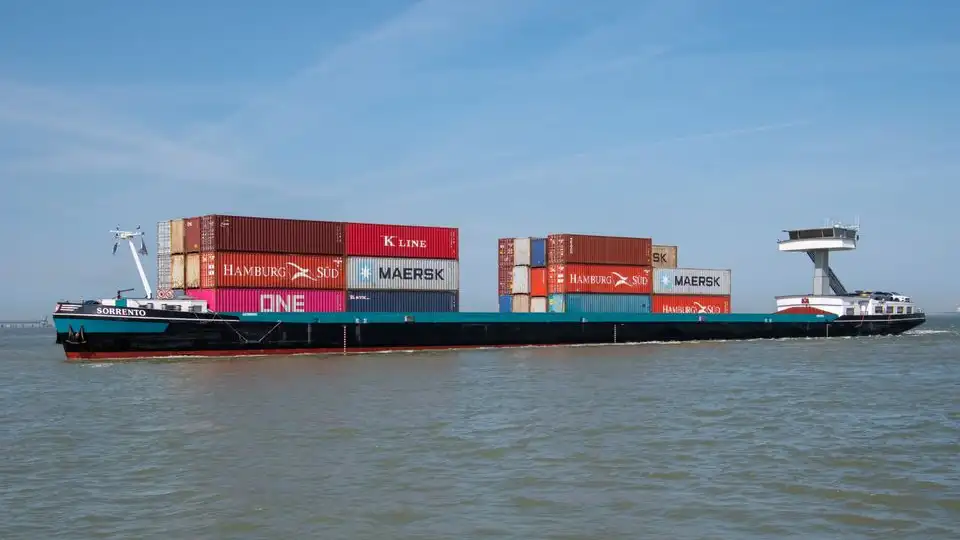
Sea freight Main hub ports:
- Jawaharlal Nehru Port (JNPT), Mumbai — India's largest container port
- Mundra Port, Gujarat — fastest growing by volume
- Chittagong, Bangladesh
- Colombo, Sri Lanka — serves as a transshipment hub for the region
- Karachi/Port Qasim, Pakistan
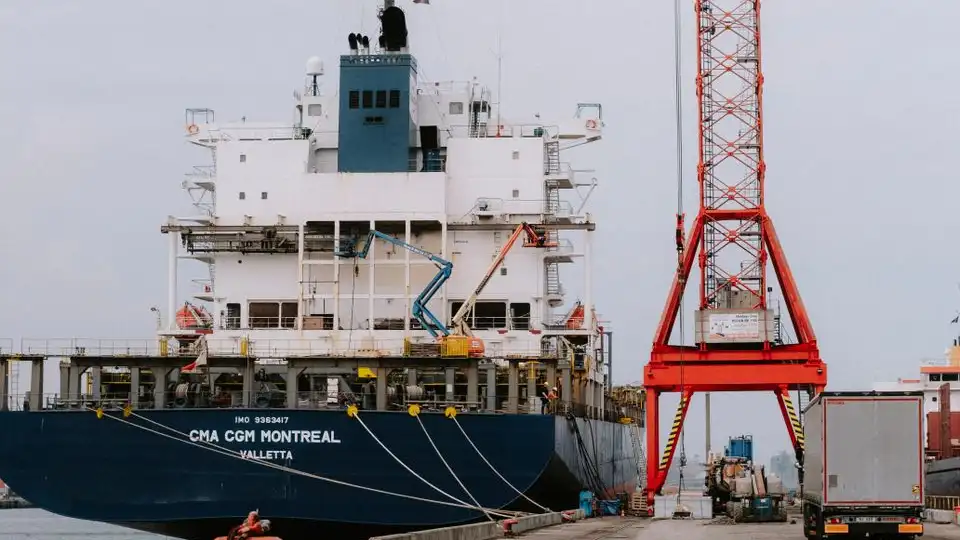
Colombo is strategically important because it handles transshipment for cargo moving between South Asia and Europe/East Asia. Indian ports feed Colombo via feeder vessels for onward deep-sea shipment.
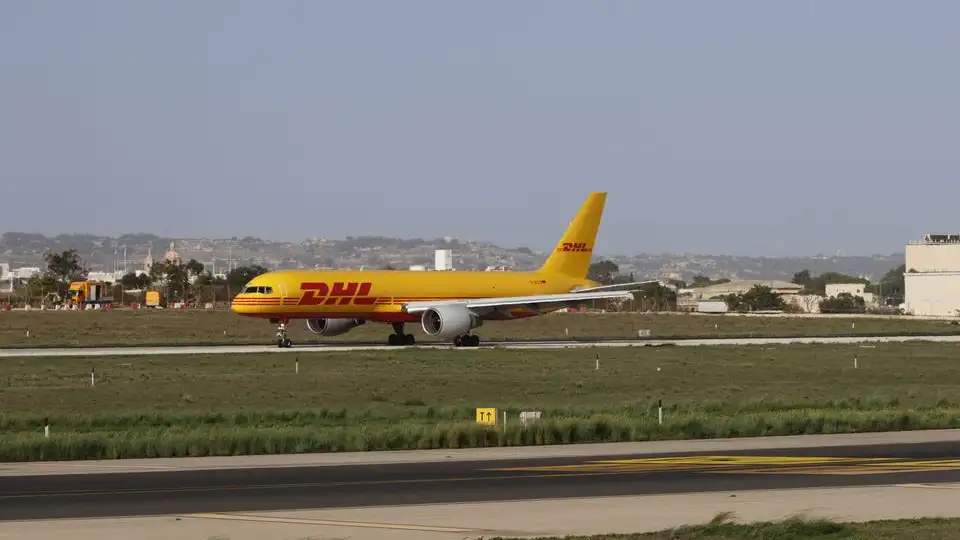
Air freight Used predominantly for:
- Pharmaceuticals (cold-chain)
- Electronics and high-value components
- Perishable agricultural goods (fresh fish, flowers)
- Urgent B2B shipments
Air freight costs in 2025–2026 have stabilized post-pandemic at approximately $2.50–4.50 per kg on intra-SAARC routes, depending on origin-destination pair and commodity.
Rail connectivity India–Bangladesh rail: 5 active rail links as of 2026; Maitree Express (Kolkata–Dhaka) and Bandhan Express (Kolkata–Khulna) handle passenger movement; freight rail volumes are growing through Gede–Darsana and other links. India–Nepal rail: Raxaul–Birgunj broad gauge link, 35 km, became operational for freight in 2023. India–Pakistan rail: suspended.
Multimodal and transit The BBIN Motor Vehicle Agreement (Bangladesh, Bhutan, India, Nepal) — technically Bhutan has not ratified, making it operational as a BIN framework as of 2026 — allows trucks to cross borders without transhipment. This is significant for time-sensitive cargo.
Trade Finance and Payment Mechanisms for South Asian B2B Deals
Payment risk is elevated in intra-SAARC trade compared to trade with OECD markets, due to currency volatility (Sri Lanka's LKR, Pakistan's PKR, Bangladesh's BDT all experienced significant depreciation cycles in 2022–2024), limited bilateral banking correspondent relationships, and sporadic capital controls.
Common instruments:
| Instrument | Suitable for | Risk level | Cost |
|---|---|---|---|
| Irrevocable LC (sight) | New buyer relationships, high-value shipments | Low (for seller) | 1–3% of invoice value |
| Usance LC (60–90 days) | Established relationships, buyer needs credit | Medium | Slightly lower than sight |
| Advance payment (T/T) | Small orders, trusted buyers | Low (for seller), high (for buyer) | Minimal bank charges |
| Documents against payment (DP) | Medium trust level | Medium | Lower than LC |
| Open account | Long-term B2B relationships with strong buyer credit | High for seller | No instrument cost |
Export credit insurance through ECGC (India), EXIMBank guarantees, and ADB's Trade Finance Program are available and underutilized. ECGC covers up to 90% of political and commercial risk on exports to most SAARC destinations.
Currency considerations:
- India–Nepal and India–Bhutan trade is invoiced in INR; no foreign exchange risk between these pairs
- India–Bangladesh: USD-invoiced predominantly; BDT not freely convertible
- India–Sri Lanka: USD; LKR is externally convertible but volatile
- India–Pakistan: USD where trade occurs; bilateral LC relationships through third-country banks
Regulatory Bodies and Key Contacts for Trade in South Asia
Exporters and importers need to interact with multiple regulatory bodies. Knowing which body handles what saves significant time.
India
- DGFT (Directorate General of Foreign Trade): export-import licenses, IEC registration, foreign trade policy
- Customs: CBIC (Central Board of Indirect Taxes and Customs); ICEGATE portal for e-filing
- FSSAI: food import/export standards
- CDSCO: pharmaceutical and medical device trade
- BIS: product certification for standards-regulated goods
- APEDA: agricultural and processed food exports
Bangladesh
- NBR (National Board of Revenue): customs
- Export Promotion Bureau: export documentation and support
- BGMEA/BKMEA: garment sector-specific bodies
Pakistan
- FBR (Federal Board of Revenue): customs and taxation
- TDAP (Trade Development Authority of Pakistan): trade promotion
- SBP (State Bank of Pakistan): foreign exchange approvals
Sri Lanka
- Sri Lanka Customs
- EDB (Export Development Board)
- NMRA: national medicines regulatory authority
Nepal
- Department of Customs
- TEPC (Trade and Export Promotion Centre)
Digital Tools and Platforms for SAARC Trade Research
The shift to digital trade tools has accelerated across South Asia. Several platforms are directly useful for B2B exporters and importers operating in the region.
Tariff lookup and HS classification:
- India Customs Tariff: icegate.gov.in tariff schedule
- TRAINS database (UNCTAD): comprehensive NTB and tariff data for all SAARC countries
- ITC MacMap: tariff rates by product and country pair, including SAFTA preferential rates
Trade statistics:
- UN Comtrade: bilateral trade data at HS 6-digit level
- DGCI&S (India): detailed India trade statistics
- Export Genius, Volza, Seair: shipment-level data for Indian exports/imports
Logistics:
- ICEGATE for Indian customs bill of entry/shipping bill status
- Bangladesh Customs ASYCUDA portal for Chittagong
- Freightos, Flexport: rate benchmarking for sea and air
Investment and Trade Facilitation Initiatives Active in 2026
Several multilateral and bilateral initiatives are actively shaping trade conditions in 2026:
ADB's SASEC Program (South Asia Subregional Economic Cooperation) Focuses on transport, energy, and trade facilitation corridors. Active projects include Raxaul–Kathmandu rail feasibility, power interconnections between India and Bangladesh, and customs modernization in Nepal and Bhutan.
World Bank South Asia Regional Trade Facilitation Program Provides technical assistance for customs modernization, particularly SPS harmonization between India and Bangladesh.
India–Bangladesh Comprehensive Economic Partnership Agreement (CEPA) Negotiations were in an advanced stage as of 2025–2026. A signed CEPA would go beyond SAFTA by covering services, investment, and digital trade — significant for Bangladesh's growing IT and business process sector.
India–Sri Lanka ETCA (Economic and Technology Cooperation Agreement) Also under negotiation. Services liberalization is the key ask from Sri Lanka, particularly for IT professionals and professionals in healthcare.
India–UAE CEPA (in effect since 2022) While not a SAARC agreement, this is relevant because many South Asian goods — especially from Pakistan and Bangladesh — are routed through Dubai for third-country trade.
Sector Opportunities with High B2B Trade Potential in 2026
Based on current trade flows, investment patterns, and regulatory developments:
1. Renewable energy equipment (India to Nepal, Bhutan, Bangladesh) Nepal's domestic solar installation program is accelerating. India-manufactured solar panels (Adani Solar, Waaree Energies) and inverters are competitive. Bangladesh's solar home system market, though more mature, continues to require inverters and balance-of-system components.
2. Agri-processing inputs (India to Bangladesh, Sri Lanka) Food processing industry growth in Bangladesh (fish processing for export, ready-to-eat segment) is driving demand for packaging machinery, food-grade additives, and cold-chain equipment — predominantly sourced from India or through Indian distributors.
3. IT and digital services (India, Bangladesh to Sri Lanka, Nepal, Maldives) The SAARC region lacks an effective framework for digital trade, but B2B IT services flow informally. Indian software companies (Infosys, TCS but also smaller firms) are increasingly active in Bangladesh and Sri Lanka. Conversely, Bangladesh's software export capacity is growing.
4. Pharmaceutical generics and APIs (India to all SAARC) Already discussed but bears repeating: India's pharmaceutical export to SAARC is a structural trade flow that will grow with population and healthcare demand. The constraint is regulatory divergence, not demand.
5. Construction materials (India to Maldives, Bhutan, Nepal) Maldives' infrastructure development is almost entirely import-dependent. Cement, steel, tiles, and sanitary ware from India and Sri Lanka dominate.